Jaw & Neck Pain
Relief from chronic neck pain, cervical stiffness, and temporomandibular joint (TMJ) dysfunction through precise chiropractic adjustments and soft tissue therapy.
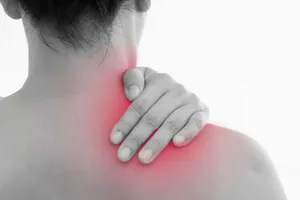
The neck is the most mobile and most vulnerable region of the spine. Seven small cervical vertebrae support the full weight of the head — roughly 10 to 12 pounds — while allowing the range of motion necessary to look up, down, and side to side. When injury, posture, or repetitive stress disrupts the delicate balance of this system, the result is neck pain that can range from a nagging stiffness to debilitating, sharp pain that radiates into the shoulders, arms, and jaw. At Georgia Injury Network, Dr. Daniel Dierdorff provides expert treatment for both neck pain and the jaw dysfunction that frequently accompanies it.
Why Neck Pain and Jaw Pain Are Connected
The relationship between neck pain and jaw pain surprises many patients, but the connection is both anatomical and functional. The temporomandibular joint (TMJ) — the hinge joint that connects the jawbone to the skull — is located just inches from the upper cervical spine. The muscles that control jaw movement share attachment points and nerve supply with the muscles of the upper neck. When cervical vertebrae are misaligned, the resulting changes in muscle tension and nerve function frequently manifest as jaw pain, clicking, locking, or grinding (bruxism).
Conversely, TMJ dysfunction can drive neck pain. Chronic jaw clenching — often a stress response or sleep habit — creates sustained tension in the muscles of mastication, which pulls on the cervical structures and contributes to upper neck misalignment. This bidirectional relationship means that treating one without addressing the other often produces incomplete results.
Common Causes of Neck Pain
Forward Head Posture
For the millions of Americans who work at computers, scroll through phones, and commute in cars, forward head posture has become an epidemic. When the head drifts forward of the shoulders — as it does when looking down at a screen or craning toward a monitor — the cervical spine must support exponentially more load. This chronic overloading creates muscle fatigue, joint inflammation, disc degeneration, and vertebral misalignment throughout the cervical spine.
College Park residents are particularly susceptible to this pattern. Long commutes on I-85 and I-285, combined with desk-based work in the Old National Highway corridor, create a daily cycle of sustained cervical stress that gradually reshapes the neck’s natural curve.
Cervical Disc Degeneration
As cervical discs lose height and hydration over time — a process accelerated by poor posture and prior injury — they provide less cushioning between vertebrae. The resulting bone-on-bone contact irritates facet joints, narrows the neural foramina through which nerve roots exit, and triggers muscle guarding that further restricts neck mobility.
Whiplash and Trauma
Car accidents, sports collisions, and falls produce sudden forces that exceed the cervical spine’s tolerance, straining ligaments, shifting vertebrae, and damaging discs. Post-traumatic neck pain frequently coexists with jaw dysfunction because the forces that injure the cervical spine also impact the TMJ.
Stress and Muscle Tension
Emotional stress produces physical tension, and the neck and jaw are among the body’s primary stress-holding areas. Chronic elevation of the shoulders, clenching of the jaw, and grinding of the teeth during sleep create a cycle of muscular tension that pulls cervical vertebrae out of alignment and compresses the TMJ.
Symptoms That Indicate Cervical or TMJ Dysfunction
Neck and jaw problems produce symptoms that extend well beyond the obvious pain at the site of dysfunction:
- Stiffness and reduced ability to turn or tilt the head
- Pain at the base of the skull that extends to the forehead or temples
- Jaw clicking, popping, or locking when opening the mouth
- Difficulty fully opening the mouth or chewing
- Ear pain, ringing (tinnitus), or a feeling of fullness in the ear
- Shoulder and upper back pain
- Numbness or tingling in the hands and fingers
- Headaches, particularly upon waking
Treatment Approach
Cervical Adjustment
Dr. Dierdorff uses precise adjustments to restore proper alignment of the cervical vertebrae, with particular attention to the upper cervical segments (C1 and C2) that have the most direct relationship with the TMJ. By correcting vertebral position, these adjustments relieve nerve compression, reduce muscle guarding, and restore normal range of motion.
TMJ-Specific Treatment
When jaw dysfunction is present, treatment extends to the muscles and structures of the TMJ itself. Intraoral and extraoral techniques release tension in the pterygoid, masseter, and temporalis muscles — the primary movers of the jaw. Joint mobilization of the TMJ restores normal tracking of the jaw during opening and closing, reducing clicking and locking.
Soft Tissue Therapy
The deep muscles of the anterior and posterior neck often harbor trigger points — hyperirritable spots that refer pain to the head, face, and shoulders. Myofascial release and trigger point therapy address these muscular components, breaking the cycle of tension that perpetuates both neck and jaw symptoms.
Corrective Exercises
Long-term resolution of neck and jaw pain requires retraining the muscles that support proper posture and jaw position. Dr. Dierdorff prescribes specific exercises to strengthen the deep cervical flexors, stretch the suboccipital muscles, and retrain the jaw muscles to rest in a relaxed, neutral position.
Reclaim Your Comfort
Neck and jaw pain affect everything — eating, sleeping, working, driving, and simply enjoying your day. If these symptoms are part of your daily experience in College Park or the surrounding communities, call Georgia Injury Network at (470) 397-1527 or book your visit online. Dr. Dierdorff will identify the source of your pain and build a treatment plan to resolve it.
Ready to Get Started?
Contact us today and take the first step. Free consultations available.